.png?width=127&height=90&name=LDI%20Logo%202025%20for%20website%20header%203%20(1).png "LDI Logo 2025 for website header 3 (1)")
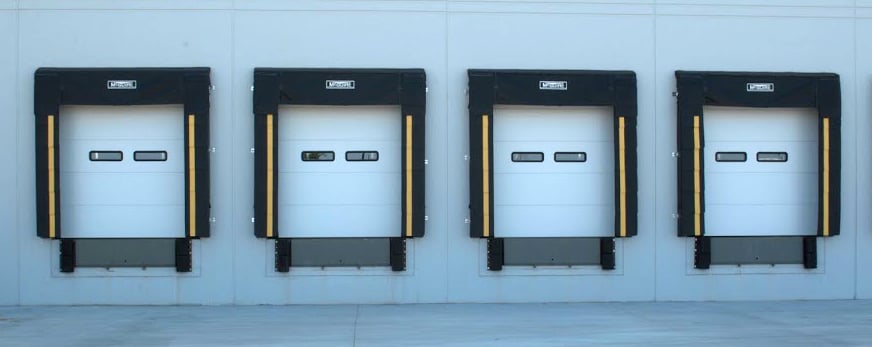
The logistics industry is evolving at a remarkable pace. What worked for warehouses and distribution centers a decade ago may no longer be enough to meet today's demands for speed, efficiency, safety, and connectivity. As e-commerce continues to expand, customer expectations grow, and supply chains become increasingly complex, businesses are being forced to rethink every aspect of their operations, including one of the most critical yet often overlooked areas of a facility: the loading dock.
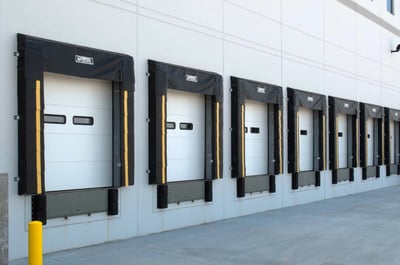

Traditionally viewed as a simple transfer point between trucks and warehouses, the loading dock has become a strategic hub that directly impacts productivity, employee safety, inventory management, and customer satisfaction. In many facilities, it serves as the gateway through which every product enters or leaves the building. When loading dock operations are inefficient, outdated, or unreliable, the effects ripple throughout the entire supply chain.
The question facility managers, warehouse operators, and business owners should be asking is no longer whether their loading dock functions adequately today. The real question is whether it is prepared for the future of logistics.
Why a Modern Loading Dock Matters More Than Ever
The rise of same-day delivery, next-day shipping, and just-in-time inventory management has transformed logistics operations. Customers expect products to arrive faster, and businesses are under pressure to move goods more efficiently than ever before.
As a result, loading docks must handle:
✓ Increased trailer traffic
✓ Faster loading and unloading cycles
✓ Greater inventory turnover
✓ Enhanced safety requirements
✓ Advanced automation systems
✓ Growing sustainability initiatives
A loading dock bottleneck can quickly lead to delays, higher labor costs, damaged goods, and missed delivery deadlines. Facilities that invest in modern loading dock equipment and infrastructure position themselves to remain competitive in an increasingly demanding marketplace.
The Impact of E-Commerce on Loading Dock Operations
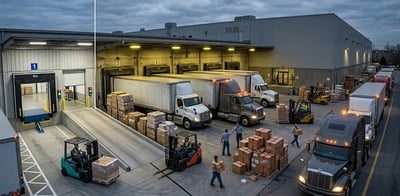
The explosive growth of e-commerce has changed the way products move through warehouses and distribution centers. Instead of shipping large quantities to a limited number of locations, many businesses now process thousands of smaller orders destined for individual customers.
This shift creates a need for loading docks that can support:
✓ Higher shipment volumes
✓ Increased truck arrivals
✓ Faster turnaround times
✓ Greater operational flexibility
Older loading dock systems often struggle to keep pace with these demands. Worn dock levelers, outdated overhead doors, inefficient traffic flow patterns, and inadequate safety systems can significantly slow operations.
Facilities that upgrade their loading dock infrastructure are better equipped to manage growing order volumes while maintaining efficiency and customer satisfaction.
Automation is no longer limited to large fulfillment centers. Warehouses of all sizes are increasingly adopting technology to improve productivity and reduce labor challenges.
Automated guided vehicles (AGVs), autonomous mobile robots (AMRs), and automated storage and retrieval systems (ASRS) are becoming common throughout the logistics industry.
These systems rely on predictable, reliable loading dock operations.
High-performance overhead doors, advanced dock levelers, vehicle restraint systems, and intelligent dock controls help create a seamless connection between automated warehouse processes and transportation operations.
Facilities that fail to modernize their loading dock equipment may find it difficult to integrate emerging technologies effectively, limiting their ability to remain competitive in the years ahead.
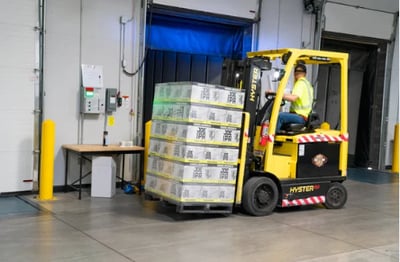
Smart Loading Docks Are Becoming a Reality
The concept of the smart loading dock is rapidly gaining traction.
Smart loading docks use connected technologies and sensors to provide real-time information about equipment performance, traffic flow, maintenance needs, and operational efficiency.
Examples include:
✓ Dock leveler monitoring systems
✓ Vehicle restraint status indicators
✓ Connected overhead door controls
✓ Remote equipment diagnostics
✓ Predictive maintenance alerts
✓ Traffic management systems
These technologies provide facility managers with valuable insights that can help reduce downtime, improve safety, and optimize loading dock performance.
Rather than reacting to equipment failures after they occur, businesses can identify potential issues early and schedule maintenance before disruptions impact operations.
High-Performance Rolling Doors Support Faster Logistics
One of the most effective upgrades a facility can make is the installation of high-performance overhead doors.
Unlike conventional commercial garage doors, high-speed roll-up doors are designed for frequent operation and rapid opening and closing cycles. This allows facilities to maintain efficient traffic flow while minimizing energy loss and environmental separation issues.
Benefits of high-performance doors include:
✓ Faster movement of personnel and equipment
✓ Reduced indoor temperature fluctuations
✓ Improved security
✓ Enhanced productivity
✓ Lower energy costs
✓ Reduced maintenance requirements
For facilities handling hundreds of daily cycles, fast-speed doors can significantly improve operational efficiency while supporting future automation initiatives.

 Safety Remains a Critical Priority
As loading dock activity increases, so does the importance of safety.
According to industry safety experts, loading docks remain one of the most accident-prone areas within commercial and industrial facilities. Forklift traffic, moving trailers, dock edges, and equipment failures all contribute to potential hazards.
Future-ready loading docks prioritize safety through equipment and processes designed to reduce risk.
Key safety solutions include:
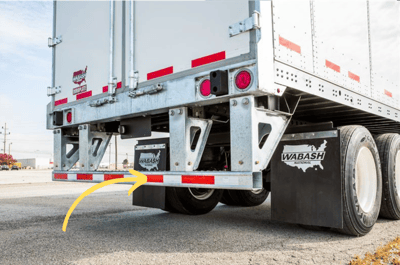
1. Vehicle Restraint Systems
Vehicle restraints help prevent trailer separation and trailer creep during loading and unloading operations. By securing trailers to the dock, they reduce the risk of accidents involving forklifts and personnel.
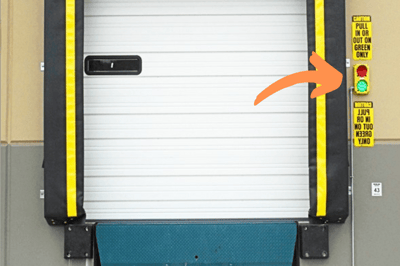
2. Dock Communication Systems
Advanced communication systems provide clear visual indicators for drivers and dock personnel, helping coordinate safe loading procedures.
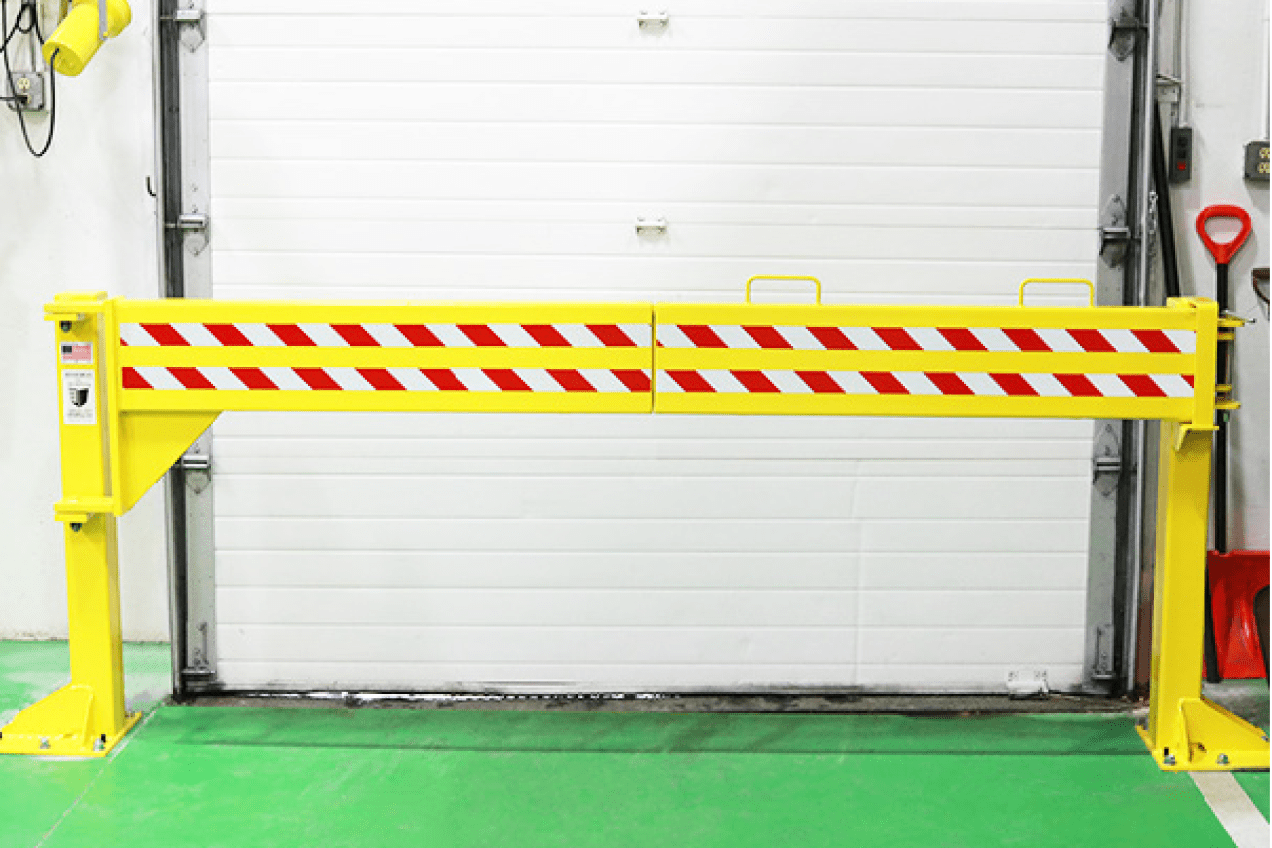
3. Safety Barriers and Gates
Loading dock safety barriers help protect employees from accidental falls when dock doors are open but trailers are not present.
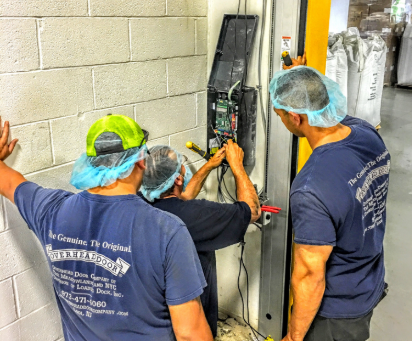
4. Maintenance Programs
Regular inspection and maintenance ensure equipment continues to operate safely and efficiently while reducing unexpected failures.
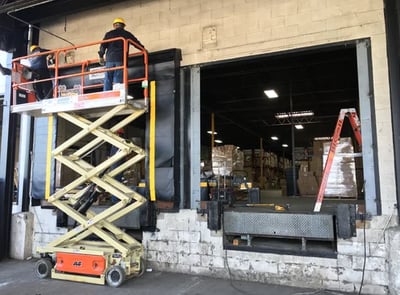 The importance of having a maintenance program
Sustainability Is Shaping Facility Design
Sustainability has become a major consideration for warehouse operators, property managers, and logistics companies.
Businesses are increasingly seeking ways to reduce energy consumption and improve environmental performance without sacrificing productivity.
Modern loading dock equipment can contribute significantly to these goals.
Energy-efficient solutions include:
✓ High-speed coiling doors
✓ Insulated overhead doors
✓ Dock seals
✓ Dock shelters
✓ LED dock lighting
✓Intelligent control systems
By minimizing air infiltration and maintaining building climate control, these solutions can reduce heating and cooling costs while supporting sustainability initiatives.
As environmental regulations and corporate sustainability goals continue to evolve, energy-efficient loading dock upgrades will become increasingly important.
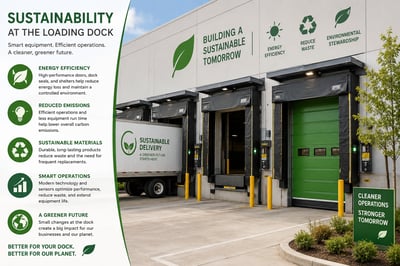

Electric Vehicles Will Influence Loading Dock Design
The transportation industry is gradually transitioning toward electric delivery vehicles and commercial fleets.
As adoption increases, loading docks may require infrastructure changes to accommodate electric trucks and charging systems.
Future-focused facilities are already considering:
✓ Electrical capacity upgrades
✓ Charging station integration
✓ Revised traffic flow planning
✓ Equipment compatibility requirements
While widespread adoption may still take time, planning for these developments today can help facilities avoid costly modifications in the future.
Data-Driven Decision Making Is the Future
One of the biggest changes occurring in logistics is the growing reliance on data.
Warehouse managers increasingly use operational metrics to identify inefficiencies and improve performance.
Loading docks are becoming important sources of actionable information, including:
✓ Trailer dwell times
✓ Loading cycle durations
✓ Equipment utilization rates
✓ Maintenance history
✓ Energy consumption trends
Access to this information allows businesses to make informed decisions that improve productivity and reduce operating costs.
Facilities that embrace data-driven management strategies often gain a significant competitive advantage over those relying solely on manual processes and reactive maintenance practices.
The Importance of Proactive Maintenance
Even the most advanced loading dock equipment requires regular maintenance to perform reliably.
Maintenance remains one of the most cost-effective investments a facility can make.
Routine inspections help identify:
✓ Worn components
✓ Hydraulic leaks
✓ Structural damage
✓ Safety concerns
✓ Electrical issues
Addressing minor issues early can prevent major breakdowns, extend equipment lifespan, and reduce costly downtime.
As logistics operations become increasingly dependent on speed and efficiency, unplanned equipment failures become even more disruptive.
A comprehensive loading dock maintenance program helps ensure that facilities remain operational and prepared for future demands.
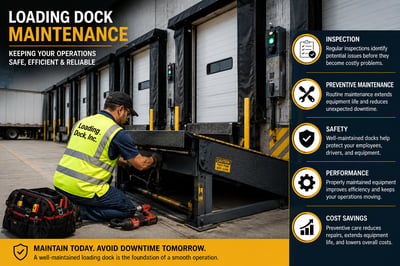 Maintenance Plans for Loading Docks
Is Your Loading Dock Prepared for Tomorrow?
The future of logistics is being shaped by automation, connectivity, sustainability, safety, and rapidly changing customer expectations. Facilities that continue relying on outdated loading dock infrastructure may struggle to keep pace with these evolving demands.
Investing in modern loading dock equipment, high-performance overhead doors, vehicle restraints, smart technologies, and proactive maintenance can improve operational efficiency while positioning a facility for long-term success.
The loading dock is no longer just a point of entry and exit. It has become a critical component of supply chain performance and a strategic asset for businesses seeking to remain competitive in an increasingly fast-paced world.
The organizations that prepare today will be the ones best positioned to thrive tomorrow.
For over 40 years, Loading Dock, Inc. has helped businesses throughout New Jersey and the New York City metro area improve safety, efficiency, and productivity with expert loading dock equipment, commercial overhead doors, installation, service, repair, and maintenance. To learn more, call 973-471-4060, email info@loadingdock.com, or visit www.loadingdock.com.